
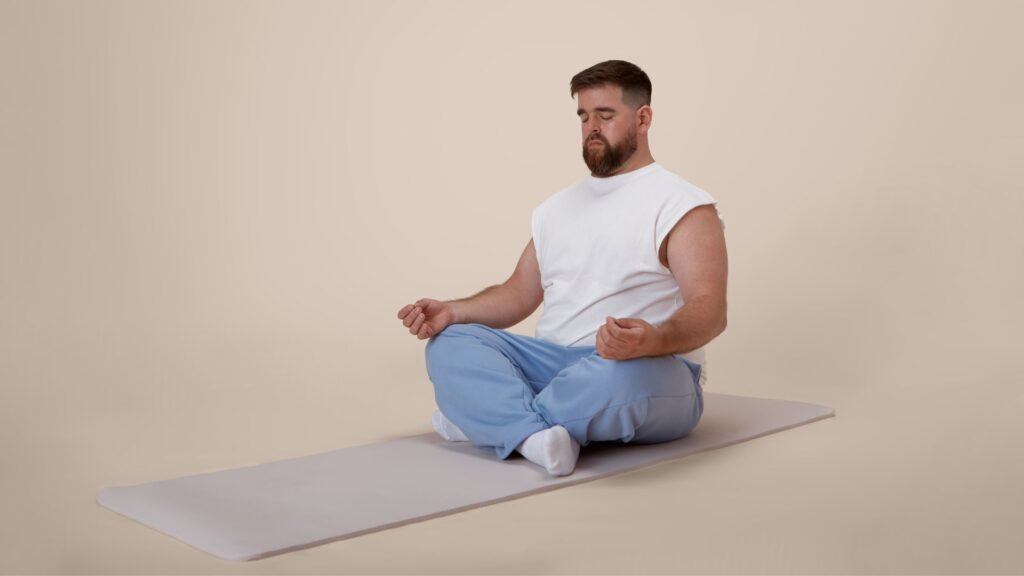
If you suffer from chronic tiredness, you are aware that it is a burden that is hidden from others and goes beyond simple exhaustion. Even the most basic things become enormous undertakings. It’s just impossible to stay focused. And attempting to push through? That usually only makes you move even more slowly. Although recovery is highly personalized, many people are starting to investigate mindfulness, a subtle and surprisingly straightforward technique. This strategy is neither avoidance nor a Band-Aid. Rather, it is a means of concentrating on the body, the breath, boundaries, and—above all—needs. When a routine is followed, mindfulness can offer genuine, quantifiable alleviation from chronic fatigue. Let’s discuss mindfulness exercises for chronic fatigue —not idn some clinical, checkbox manner, but in a way that helps your energy and concentration from the inside out.
Why Mindfulness Actually Works
Being mindful is more than just trying to be calm while sitting quietly. It involves paying attention to what’s happening both inside and outside of you without necessarily reacting right away. You don’t have to white knuckle or keep your head down to pretend that everything will be fine. All you have to do is pay attention to your body, your breath, and your thoughts. Just paying attention can make a big difference. The body tends to go into overdrive for people dealing with conditions like ME/CFS, fibromyalgia, or chronic sickness symptoms. Resting becomes exhausting because the nervous system’s “fight or flight” switch remains engaged.
Here is what mindfulness can do:
- It dials down the sympathetic nervous system (that stress-induced state)
- It raises vagal tone, which assists your body to rest, digest, and restore
- It aids in reducing cortisol, the stress hormone that tends to linger in fatigue and illness sufferers
And this is not merely theory. A study conducted in 2018 and published in Frontiers in Psychology discovered that individuals who practiced mindfulness on a daily basis reported a 30% reduction in perceived fatigue after eight weeks. That’s a significant change for something so basic and accessible.
Gentle Mindfulness Tools for Tired Minds

-
Body Scan: Reconnect With What You Feel
Let’s start with the scan of the body. It’s among the most well-liked and empowering practices available. It’s also as easy as it seems. You gently move your focus from your toes to your head while lying down or sitting comfortably. You’re not attempting to make anything better. Only now are you noticing. Your legs may feel heavy. Perhaps you have a tense back. Your jaw may be tightened. It’s alright. You’re just observing.
Why it matters: It’s possible for chronic exhaustion to make you feel oddly detached from your own body. Sometimes there is a foggy blankness, discomfort, or numbness. You have a safe, judgment-free way to check in with the body scan. When done consistently, it aids in restoring confidence. You begin to pay attention to what is actually occurring rather than what your mind is assuming. Five minutes is all it takes to start telling your nervous system, “You’re safe.”
Try this: Choose a quiet moment of the day when you’re not in a hurry. Listen to a gentle guided recording if that assists you in getting settled in. Don’t worry about “doing it right”—just practice arriving in this moment.
-
Mindful Breathing: Make Peace with the Pandemonium
You can think of breath as your internal reset button. Paying attention to your breathing during a stressful time or in the midst of life’s craziness might feel like a kind of reset, like flipping a switch to bring peace back into your body. This isn’t a breathing exercise on the “right” way. Instead, it entails focusing on each breath—both within and outward—as well as the overall feelings that go along with it, the paths it takes, and the reactions your body produces.
Why it matters: Stress and exhaustion are best buds. Your breath accelerates. Tighten your muscles. Your mind whirls. Slowing your breath—particularly your exhale—lets your body know it can relax out of high alert status. That’s improved digestion, reduced blood pressure, and—yes—increased clarity of mind. Amid a fatigue flare, even brief breathing exercises can open up space in the haze. Mindful breathing is one of the kindest and most potent meditations for positive energy. It may be able to ground you when everything else seems inaccessible.
Try this: Inhale slowly through your nose for 4 seconds. Hold for 2. Exhale gently through your mouth for 6. Do this 5-10 times. Let your breath lead.
-
Watching Thoughts Without Getting Hooked
Particularly when we’re exhausted or in pain, our brains have a tendency to wander. wondering when you’ll feel normal again, worrying about the future, and reliving past discussions. It wears you out. Here’s an exercise: what if you just watched the thoughts pass by without trying to stop them? Like clouds. Don’t cling. Don’t fight. Just watching.
Why it matters: It’s revolutionary. Rather than the symptoms themselves, the tales we tell ourselves about them account for most of our anxiety. You can create some distance between your ideas and your reactions by practicing mindfulness. All at once, the inner critic lets go. The spiral of “what ifs” has stopped. You no longer waste your precious energy on unproductive thoughts. And there’s scientific evidence to back this up: studies show that rumination, or thinking the same things over and over again, lowers your energy levels. This technique subtly disrupts that routine.
Tip: Don’t get annoyed if your mind goes off every 10 seconds. That’s normal. Gently observe and refocus. That is practice.
-
Loving Kindness: Your Safe Place
Realistically, persistent exhaustion is a burdensome emotional burden. Regretting having to postpone plans. I feel ashamed that I can’t do more. Annoyance with your physics. Kindness and love the goal of meditation is to transform some of that emotional rigidity into suppleness. It’s similar to speaking to yourself as you would a close friend who is in pain.
How to do it: You sit quietly and say simple, comforting things like: “May I feel safe?” “May I find ease?” “May I be kind to myself”? Then, if you wish, you carry those wishes over to others: someone you love, someone you’re indifferent about, even someone who’s difficult to love.
Why it matters: This practice rewires the way you relate to yourself. It silences the inner bully and cares for parts of you that have been blamed or neglected for too long. Studies conducted by UCLA and Stanford demonstrate that these types of compassion-informed practices decrease inflammation and enhance emotional resilience. That’s high-grade medicine, particularly when energy is low. No one heals from self-criticism. Kindness makes room for the nervous system to take a deep breath out.
-
Mindful Movement: Move With Care, Not Force
If you’re living with chronic fatigue, movement is complicated. Some days, even standing up feels like climbing a mountain. But doing nothing at all? That’s not great either. The answer lies in small, intentional movements—done with awareness.
Some simple options:
- Slow neck rolls
- Gentle seated yoga with lots of support
- Light stretching while syncing your breath with each movement
Why it matters: Movement assists in getting the blood circulating and facilitates lymph drainage, both of which may be sluggish when one is working with chronic illness. But beyond that, conscious movement assists in building back trust with your body. When approached softly, it instructs your nervous system: “Movement doesn’t have to mean danger.” It becomes a place of sustenance, rather than a drain. Most recovery programs, including Healing Space, combine movement and mindfulness. And it becomes everything.
How Mindfulness Changes Your Body—For Real
For a moment, let’s get geeky. Persistent exhaustion is not “in your head.” An underactive rest response, an overactive stress response, and a hyperactive nervous system are the main causes of this disorder. When your body is always tensing up for the next blow, it cannot heal. The cycle is broken by mindfulness. Participants in a clinical study (Psychosomatic Medicine) who engaged in mindfulness exercises for six weeks showed reduced levels of cortisol, a stress hormone linked to inflammation and burnout. Research in the Journal of Behavioral Medicine also indicated that mindfulness improved cognitive performance in those with chronic stress. That goes beyond just being more at ease; it also means having better memory, thinking more clearly, and having fewer days when your brain is fuzzy.
Make It Doable: Start Where You Are
You don’t require an elaborate setup or an hour a day. Mindfulness can be five minutes in bed before opening your eyes. Or a single breath while waiting for the kettle to boil. It’s small, consistent moments, and that sends the message: “I’m here. I’m listening.”
Here’s how to start:
- Find one easy exercise that feels gentle
- Do it for a few minutes at a time
- Let go of instant results
- Monitor what you observe over time (even subtle changes are important)
This isn’t about being perfect—it’s about establishing the conditions in which healing can occur. That’s the real path forward.
Create a Mindful Environment
It helps to set yourself up for success. It may mean:
- Dimming lights or cutting back on background noise
- Using soothing music or headphones with guided meditations
- Journaling a few lines after practice
- Leaving your phone on silent for a bit
Small adjustments can make a big impact on how safe your system will feel. Gentle Wins Over Intense It’s so easy to want to rush this along. To do our best. But in recovery, doing our best is often not our best move. That includes mindfulness. Consistency will always trounce intensity. Even two quiet minutes a day add up. This is the heart of mindfulness fatigue relief: not pushing, but supporting your nervous system to find its balance again. Let your practice be kind. Let it be enough.
When You’re Too Tired to Begin
Some days, reading a list like this feels like too much. That’s okay. Just placing a hand on your chest and feeling one breath? That counts. Truly. Recovery is not a straight line. There are going to be good days, crashes, small victories, and setbacks. Mindfulness does not require you to convince yourself that everything is okay. It asks you to sit with what is real and allow that to be enough for today.
You’re Not Alone: Healing Space Is Here
It’s not necessary for you to fight alone. This is the reason behind the Healing Space program, which is a methodical approach created for individuals who suffer from long-term COVID, fibromyalgia, chronic fatigue, and other incapacitating illnesses. It’s made for your current location. It gives you the tools—not pressure—to start your recovery journey with eight easy-to-follow modules, nearly 100 quick video lectures, meditations, and a gorgeously designed workbook. Chris, who has experienced this journey firsthand, built it. His return to life after overcoming chronic fatigue served as motivation for him to create a safe haven where others may recuperate without coercion, humiliation, or exhaustion.
Join the Healing Program Now
Your Invitation to Start
You don’t have to be “ready.” You simply have to be willing. Curious. Available to explore something new. Healing Space isn’t just a program—it’s a safe place to reconnect with your breath, your body, your self. To build energy, focus, and peace, one mindful moment at a time. Take the first step—gently. Begin your journey at Healing Space